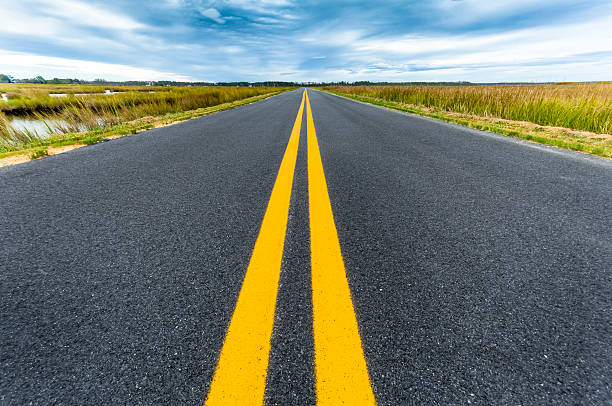


If you’ve ridden on Ugandan highways long enough, you’ve definitely crossed or ridden close to the yellow line. It looks harmless — just paint on the road. But for motorcyclists, that yellow line can quietly become one of the most slippery and dangerous surfaces you’ll ever touch on tarmac.
Many riders only realise this when it’s almost too late.
🚧 What Makes Yellow Lines Slippery?
Road markings like yellow lines are made from thermoplastic paint, not asphalt. Unlike tarmac, this paint does not offer the same level of grip for motorcycle tyres. Over time, it becomes even more slippery due to:
- Polishing by car tyres
- Oil, diesel, and grease dripped by vehicles
- Dust and sand carried by wind
- Rainwater sitting on the smooth surface
To your eye, the road may look dry and safe. To your tyres, it’s a low-traction zone.
🏍️ Why High Speed Makes It Worse
At higher speeds, your bike relies heavily on tyre grip and stability. Any sudden change — steering input, braking, or throttle — requires traction. When this happens on a yellow line, traction can drop suddenly.
This is especially risky when:
- Swerving to avoid potholes
- Reacting to oncoming traffic
- Changing lanes quickly
- Braking while slightly leaned
Even experienced riders can be caught out because the loss of grip happens fast and without warning.
🚗 Traffic Pressure and Bad Decisions
One of the most dangerous situations is when a rider feels pressured by traffic — especially on busy highways. When oncoming vehicles are close, some riders instinctively make quick corrections near or across the yellow line.
This is where problems begin.
A sudden swerve on road paint can upset the bike’s balance. If the front tyre loses grip, recovery is extremely difficult. If the rear steps out, panic reactions often make things worse.
🌧️ Rain Makes It Even Riskier
When it rains, yellow lines become significantly more slippery than dry tarmac. Water sits on the painted surface instead of soaking in, creating a thin layer that tyres struggle to grip.
Many motorcycle slides in wet conditions start on:
- Yellow centre lines
- White lane markings
- Pedestrian crossings
The danger is real, especially during light rain when oil hasn’t been washed away.
✅ How Riders Can Stay Safe
Riding safely around yellow lines doesn’t mean being afraid — it means being aware.
Here are simple habits that help:
- Avoid sudden steering, braking, or acceleration on road markings
- Plan your line early instead of reacting late
- Keep smooth inputs, especially at speed
- Increase following distance so you’re not forced into panic moves
- Be extra cautious in rain or dusty conditions
Smooth riding gives your tyres time to work. Sudden moves demand grip that painted surfaces simply don’t provide.
🧠 The Big Lesson
That yellow line is not just a line — it’s a traction warning.
Many crashes don’t happen because riders are reckless, but because they underestimate small details on the road. Awareness of surfaces, speed, and timing is what separates close calls from accidents.
At RideSafe Uganda, we believe that understanding the road is just as important as understanding your bike.
Ride smooth. Ride aware. Arrive alive.